Source Herbal Whitening Toothpaste Tablets for Home Hotel Travel
Find 30 herbal whitening toothpaste tablets from verified suppliers. Compare features like fluoride, hydroxyapatite, and natural ingredients for home, hotel, and travel use. Request samples and custom packaging options today.
Key considerations
Products List
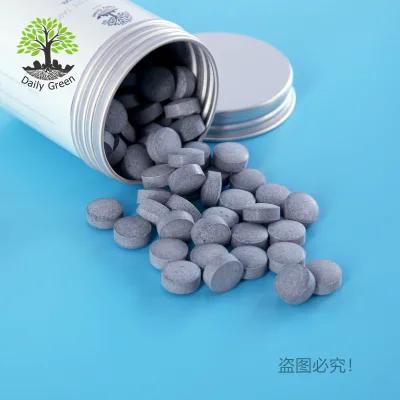
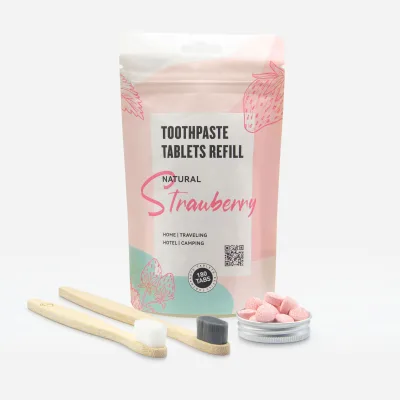
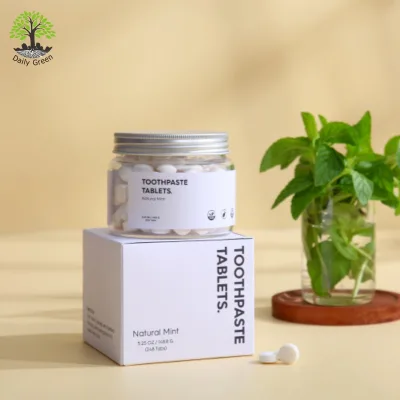
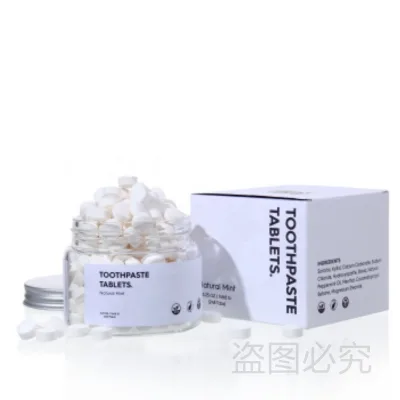
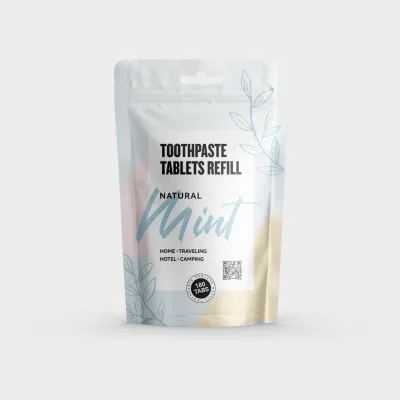
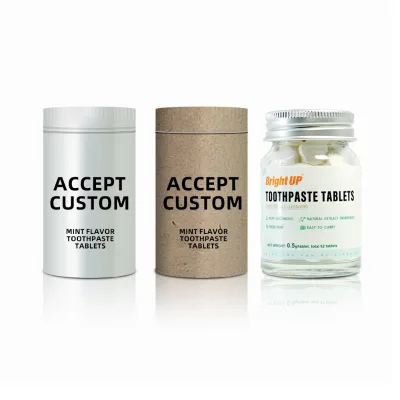
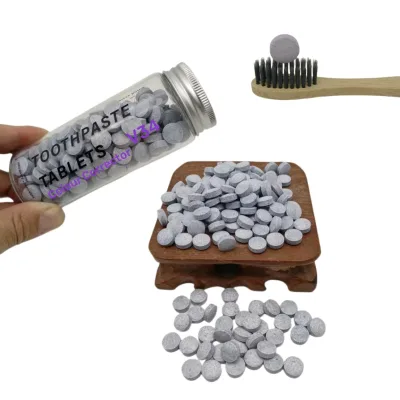
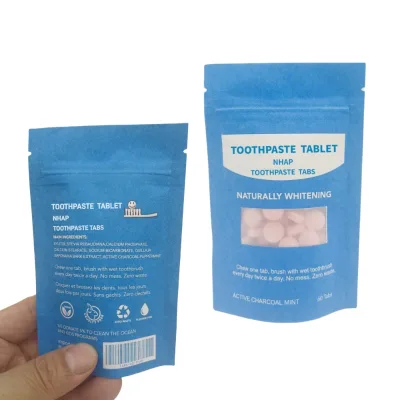


Comprehensive Sourcing Guide
Strategic Sourcing Guide for Herbal Whitening Toothpaste Tablets
The global market for oral care products has witnessed a significant shift toward natural and sustainable alternatives, with herbal whitening toothpaste tablets emerging as a prominent category. For B2B procurement professionals, sourcing these items requires a nuanced understanding of product specifications, supply chain logistics, and quality assurance protocols. Unlike traditional paste formulations, tablets offer distinct advantages in packaging efficiency and portability, yet they present unique challenges in manufacturing consistency and ingredient verification. This guide provides a comprehensive framework for evaluating suppliers and products within this specific niche, ensuring that procurement decisions are grounded in verified data and industry best practices.
Technical Specifications and Formulation Analysis
When evaluating herbal whitening toothpaste tablets, the primary focus must be on the core formulation and physical attributes that define product performance. The available market data indicates a strong prevalence of herbal ingredients, often derived from plant extracts, which aligns with the "herbal" descriptor in the core keyword. Buyers should scrutinize the ingredient lists to confirm the presence of active whitening agents and anti-bacterial components. Common functional attributes observed in this category include teeth whitening, anti-cavity protection, sensitivity reduction, and oral refreshing capabilities.
The physical specifications of the tablets are equally critical for logistics and consumer experience. Typical single package dimensions observed in the market range from compact sizes suitable for travel to larger retail units. For instance, specific product models have been identified with package dimensions of approximately 4.8 x 4.8 x 9.6 cm or 5 x 5 x 10 cm, with a single gross weight hovering around 0.12 kg. These metrics are vital for calculating shipping costs and storage requirements. Furthermore, the volume of the product, often cited in milliliters equivalent for the dissolved tablet, varies from 30 ml to 90 ml, influencing the perceived value and dosage per unit.
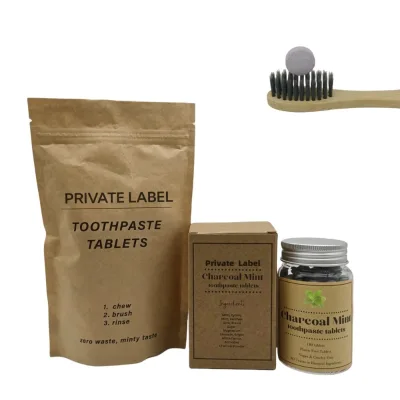
Flavor profiles play a significant role in consumer adoption. The market offers a diverse array of options including strawberry, mint, lemon, sea salt, and charcoal. Customization is a standard feature, allowing buyers to tailor the flavor to specific regional preferences or brand identities. The material composition is predominantly plant-based, reinforcing the natural positioning of the product. Buyers must verify that the "herbal" claim is supported by the actual ingredient profile, ensuring that the product does not rely on synthetic additives that contradict its natural marketing.
Compliance, Certification, and Regulatory Verification
Navigating the regulatory landscape is a fundamental aspect of sourcing herbal oral care products. While specific certification statuses for individual suppliers cannot be asserted without direct verification, the industry generally adheres to standards such as ISO 9001 for quality management and ISO 22716 for cosmetic good manufacturing practices. These standards, though often cited as background expectations, represent the baseline for reputable manufacturing. Buyers should explicitly request proof of compliance with these standards rather than assuming their presence based on marketing materials.
The "herbal" and "natural" claims require rigorous substantiation to avoid regulatory pitfalls in various jurisdictions. In many markets, claiming a product is "herbal" implies a specific threshold of botanical content, which must be verified through third-party testing. Additionally, the presence of active ingredients like fluoride or hydroxyapatite, which are sometimes found in whitening tablets, triggers specific regulatory requirements regarding labeling and safety. Buyers must ensure that the supplier can provide documentation confirming the safety and efficacy of these ingredients.
Shelf life is another critical compliance factor. Observed data suggests a standard shelf life of two years for these products. This duration must be clearly communicated on the packaging and verified through stability testing. The packaging materials, which may include glass, metal jars, or paper packages, must also meet safety standards for food and cosmetic contact. Buyers should verify that the packaging materials are sustainable and compliant with local environmental regulations, especially given the eco-friendly positioning of many herbal products.
Cost Drivers and Pricing Dynamics
The pricing structure for herbal whitening toothpaste tablets is influenced by several key variables, including raw material costs, manufacturing complexity, and order volume. The observed price range in the market spans from $0.02 to $4.00 per unit, a wide disparity that reflects differences in ingredient quality, packaging sophistication, and brand positioning. The lower end of the spectrum typically corresponds to basic formulations with standard packaging, while the higher end often includes premium herbal extracts, custom branding, and specialized whitening technologies.
Minimum Order Quantity (MOQ) is a significant cost driver in this sector. The market exhibits a broad range of MOQs, from as low as 500 sets to as high as 16,670 sets, and even up to 1 million sets for large-scale contracts. These variations directly impact the unit cost; higher volumes generally result in lower per-unit prices due to economies of scale. Buyers must align their order quantities with their inventory management capabilities and cash flow constraints. For startups or those testing the market, suppliers offering lower MOQs are preferable, whereas established brands may benefit from the cost efficiencies of larger orders.
Customization services, such as OEM branding, custom logos, and tailored packaging, add to the overall cost. While these services are widely available, they often require additional setup fees or higher MOQs. The choice of flavor and fragrance also influences pricing, with exotic or complex blends potentially costing more than standard mint or strawberry options. Buyers should conduct a total cost of ownership analysis, factoring in not just the unit price but also shipping, customs duties, and the cost of custom tooling for packaging.
Typical Applications and Target Markets
Herbal whitening toothpaste tablets serve a diverse range of applications, catering to both individual consumers and institutional buyers. The primary use cases identified include home use, hotel amenities, and travel scenarios. The versatility of the product makes it suitable for daily oral care routines, where its compact size and lack of liquid leakage make it an ideal alternative to traditional toothpaste tubes.
In the hospitality sector, these tablets are increasingly favored for hotel amenities. Their small footprint and reduced weight make them easy to distribute in guest rooms, and the herbal formulation appeals to eco-conscious travelers. The "hotel" application is explicitly noted in product specifications, indicating a strong market fit for this segment. Additionally, the travel application is significant, as the tablets are lightweight and do not require the security restrictions associated with liquid toiletries, making them perfect for carry-on luggage.
The target demographic for these products is broad, encompassing both children and adults. Some formulations are specifically designed for sensitive teeth, while others focus on aggressive whitening for adults. The age group specification often includes "Children/Adult" or "Adult/Kid," suggesting that the products are generally safe for a wide range of users, though specific formulations may be tailored for younger audiences. Buyers should consider the specific needs of their target market when selecting products, ensuring that the flavor, texture, and active ingredients align with consumer expectations.
Supplier Evaluation and Quality Control
Selecting the right supplier is critical to ensuring product consistency and reliability. When evaluating potential partners, buyers should look for suppliers that offer OEM services and customization options, as these capabilities indicate a flexible and customer-centric approach. The availability of samples is a crucial step in the evaluation process, allowing buyers to assess the product's physical attributes, taste, and efficacy before committing to a large order.
Quality control measures must be robust and transparent. Buyers should request detailed information on the supplier's quality assurance processes, including raw material sourcing, production monitoring, and final product testing. The consistency of the herbal ingredients is particularly important, as natural variations can affect the product's performance. Suppliers should be able to provide batch-specific test results to verify the presence of active ingredients and the absence of contaminants.
The place of origin is another factor to consider. Many herbal toothpaste tablets are manufactured in China, specifically in regions like Henan, which has a growing reputation for oral care production. Buyers should verify the supplier's location and assess the logistical implications of shipping from that region. Additionally, the supplier's ability to handle custom packaging and branding requirements should be evaluated, as these services are often essential for building a distinct brand identity.
Long-Term Procurement Considerations
Sourcing herbal whitening toothpaste tablets is not merely a transactional activity but a strategic partnership that requires long-term planning. Buyers should consider the scalability of the supply chain, ensuring that the supplier can meet increasing demand as the product gains market traction. The ability to maintain consistent quality over time is paramount, especially for products with natural ingredients that may vary seasonally.
Sustainability is a growing concern for consumers and regulators alike. Buyers should prioritize suppliers who demonstrate a commitment to environmental responsibility, such as using biodegradable packaging or sourcing ingredients from sustainable farms. The "sustainable" aspect of the product name suggests a market trend toward eco-friendly solutions, and aligning with this trend can enhance brand value.
Finally, buyers should plan for continuous improvement and innovation. The oral care market is dynamic, with new ingredients and technologies emerging regularly. Maintaining a close relationship with suppliers can provide early access to new product developments and formulations. By staying informed about market trends and technological advancements, buyers can ensure that their product offerings remain competitive and relevant in the long term.
Comparative Overview of Product Attributes
To facilitate decision-making, the following table summarizes key attributes observed in the market for herbal whitening toothpaste tablets. This comparison highlights the variability in specifications and helps buyers identify products that best meet their specific requirements.
| Attribute | Observation Range / Options | Notes for Procurement |
|---|---|---|
| Primary Ingredient | Herbal, Plant Extract | Verify botanical content and source sustainability. |
| Key Functions | Whitening, Anti-Cavity, Anti-Bacterial, Sensitive Care | Match functions to target demographic needs. |
| Flavor Options | Strawberry, Mint, Lemon, Sea Salt, Charcoal | Customization available; test samples for preference. |
| Target Age Group | Children, Adult, Children/Adult | Ensure safety and suitability for intended users. |
| Application Use | Home, Hotel, Travel, Daily Use | Consider packaging size for specific use cases. |
| Shelf Life | 2 Years | Verify stability testing and expiration labeling. |
| Packaging Material | Glass, Metal Jar, Paper Packages | Check for eco-friendliness and protection. |
| MOQ Range | 500 sets to 1,000,000 sets | Align with inventory capacity and budget. |
| Price Range (USD) | $0.02 - $4.00 | Factor in customization and volume discounts. |
| Origin | Henan, China (and other regions in China) | Assess logistics and lead times. |
This guide underscores the importance of due diligence in sourcing herbal whitening toothpaste tablets. By focusing on technical specifications, regulatory compliance, cost dynamics, and supplier reliability, buyers can make informed decisions that drive value and success in this evolving market segment.
FAQs
What are the typical package dimensions for these tablets?
Typical single package dimensions range from 4.8 x 4.8 x 9.6 cm to 5 x 5 x 10 cm. These compact sizes support efficient shipping and storage while maintaining product integrity for home or travel use.
Can buyers customize the flavor and logo on these tablets?
Yes, customization is available for flavors like mint, strawberry, lemon, and sea salt, as well as logos. Buyers can request specific branding and scent profiles to align with their unique market requirements.
What is the minimum order quantity for herbal whitening tablets?
Minimum order quantities vary significantly, ranging from 500 sets to 1 million sets depending on the supplier. Buyers should verify specific MOQs as they directly impact unit pricing and inventory planning.
Where are these herbal toothpaste tablets typically manufactured?
Most products originate from Henan, China, or other regions within China. This location influences shipping logistics and lead times for international procurement of these oral care items.
How long is the shelf life of these natural toothpaste tablets?
The standard shelf life for these products is two years. This duration ensures product stability and efficacy when stored properly before distribution to retailers or end consumers.
Are samples available for testing before placing a large order?
Samples are provided by suppliers to allow buyers to verify product quality and formulation. This step helps confirm that the herbal ingredients and whitening performance meet specific business standards.
What materials are used to package these toothpaste tablets?
Packaging options include glass jars, metal containers, and paper packages. These materials support the sustainable positioning of the product while ensuring safe storage of the herbal tablets.